
Private label
Private Label Mushroom Gummies: How to Launch Your Brand
By MoreFungi · 12 min read · 16 Nov 2026
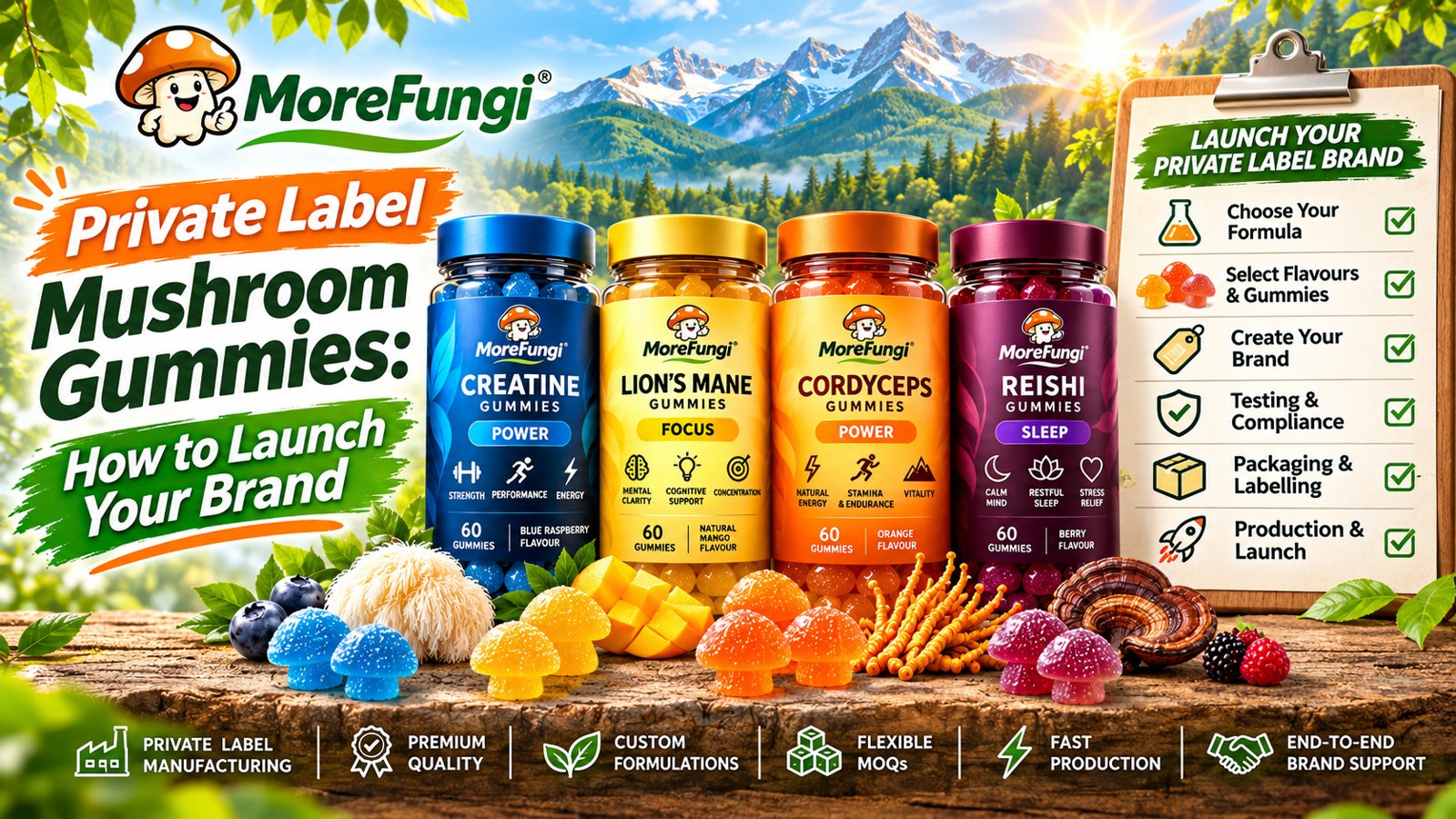
Private label mushroom gummies combine functional mushroom extracts—such as Lion’s Mane, Reishi, Cordyceps, and Turkey Tail—with a chewable gummy matrix, providing consistent dosage, brand differentiation, and scalable profitability for supplement brands.
Private label mushroom gummies are the next frontier for supplement brands looking to combine functional benefits with consumer-friendly formats. This guide walks entrepreneurs through formulation, ingredient selection, flavoring, packaging, and launch strategy, ensuring a competitive, compliant product that resonates with health-conscious buyers.
1. Why Private Label Mushroom Gummies Matter
Why Private Label Mushroom Gummies Matter
Private label mushroom gummies have surged in popularity as consumers seek convenient, tasty ways to incorporate functional mushrooms into their daily routine. Market research shows that the global functional mushroom segment grew 12% in 2023, driven by heightened wellness awareness and a shift toward plant‑based supplements. Gummies occupy a unique niche: they combine the ease of a chewable format with the bioactive potency of mushroom extracts, appealing to both health‑conscious adults and younger demographics who prefer flavored, sugar‑free options.
Unlike capsules or powders, gummies offer a consistent dosage in a single bite, reducing the risk of under‑ or over‑consumption. Their bright colors and fruit‑based flavors also enhance brand differentiation on crowded retail shelves, making them ideal for private label ventures that aim to stand out without extensive marketing spend.
For distributors, the demand for private label mushroom gummies translates into higher margin potential. Because the production process can be standardized across multiple mushroom types—Lion’s Mane, Reishi, Cordyceps, and Turkey Tail—manufacturers can leverage economies of scale while still offering a diverse product portfolio.
In short, private label mushroom gummies meet three critical market needs: consumer convenience, brand visibility, and scalable profitability. They represent a strategic entry point for supplement brands looking to capitalize on the mushroom boom without the overhead of developing a proprietary formulation from scratch.
For more on how to translate this trend into a successful product line, see How Private Label Functional Mushroom Manufacturing Works.
2. Core Mushroom Ingredients: Lion’s Mane, Reishi, Cordyceps, Turkey Tail
Core Mushroom Ingredients: Lion’s Mane, Reishi, Cordyceps, Turkey Tail
When crafting a 10‑plex blend, each mushroom must contribute a distinct functional profile while maintaining a balanced extraction ratio. A common approach is to target a 10:1 extract ratio for each species, which translates to 1 g of dried mushroom per 10 g of extract. For a 2500 mg gummy, this means roughly 250 mg of each extract, or 25 mg of dried mushroom per gummy.
- Lion’s Mane (Hericium erinaceus) – prized for neuro‑support, it delivers beta‑glucans and hericenones. Source from certified, fruiting‑body farms to ensure high polysaccharide content. Aim for a 10:1 ratio; a 250 mg dose per gummy aligns with studies showing cognitive benefits at this level.
- Reishi (Ganoderma lucidum) – known for immune modulation, its triterpenes and ganoderic acids are most abundant in the fruiting body. Use a 10:1 extract; 250 mg per gummy supports the anti‑inflammatory profile without overpowering taste.
- Cordyceps (Cordyceps militaris) – the cordyceps wholesale market is expanding; bulk cordyceps militaris offers higher cordycepin content. A 10:1 ratio yields 250 mg per gummy, delivering energy and endurance benefits.
- Turkey Tail (Trametes versicolor) – rich in polysaccharide Krestin, it complements the immune stack. A 10:1 extract of 250 mg per gummy provides a synergistic effect with Reishi.
For a 10‑plex blend, the remaining six mushrooms (e.g., Chaga, Shiitake, Maitake, etc.) should each contribute 250 mg, maintaining the 10:1 extraction standard. This uniformity simplifies sourcing, quality control, and labeling claims. When selecting suppliers, verify that each extract is standardized to the active compounds of interest and that the extraction method preserves heat‑labile constituents. Consistency across batches ensures that the functional profile remains stable throughout the product’s shelf life.
For deeper insight into sourcing fruiting bodies versus mycelium, see Fruiting Body vs Mycelium: What B2B Buyers Should Understand.
3. Gummy Formulation Basics
Gummy Formulation Basics
Private label mushroom gummies begin with a matrix that balances chewability, mouthfeel, and ingredient compatibility. The core of most formulations is a hydrocolloid—gelatin or pectin—that cross‑links with sugar or sugar substitutes to create a semi‑solid network. Gelatin, a protein derived from collagen, offers a smooth, elastic texture and is favored in products targeting a broad consumer base. Pectin, a plant‑based polysaccharide, provides a firmer bite and is essential for vegan or vegetarian lines.
Key excipients include:
- Sweeteners – sucrose, dextrose, or sugar‑free alternatives such as erythritol or stevia to meet calorie or glycemic goals.
- Flavor carriers – natural fruit extracts or essential oils that dissolve in the matrix without compromising mushroom bioactives.
- Stabilizers – carrageenan or xanthan gum to prevent phase separation during storage.
- Preservatives – tocopherol or natural extracts that extend shelf life without masking flavor.
Choosing between pectin and gelatin hinges on dietary compliance and texture expectations. Gelatin’s protein content can interfere with certain mushroom extracts, potentially reducing bioavailability, whereas pectin’s neutral profile preserves extract potency but may require higher sweetener levels to achieve the same palatability. A practical decision framework is:
- Identify target market dietary restrictions.
- Assess desired chewiness (soft vs firm).
- Run pilot batches to compare extract stability and consumer sensory scores.
- Finalize the base that delivers consistent texture and bioactive retention.
For example, a distributor aiming for a vegan, sugar‑free line might opt for a pectin matrix with stevia and a low‑glycemic sweetener blend, while a brand targeting general consumers could use gelatin with a modest sucrose content for a classic gummy feel.
To learn how these choices fit into the broader manufacturing workflow, see How Private Label Functional Mushroom Manufacturing Works.
4. Pectin vs Gelatin: Choosing the Right Base
Pectin vs Gelatin: Choosing the Right Base
When formulating private label mushroom gummies, the choice between plant‑based pectin and animal gelatin hinges on cost, stability, vegan appeal, and regulatory status. Gelatin, derived from collagen, offers a smooth chew and a lower cost per kilogram in bulk markets. However, it is sensitive to temperature fluctuations; gummies made with gelatin can soften or melt in humid climates, shortening shelf life unless tightly sealed. Pectin, extracted from fruit cell walls, is inherently heat‑stable and retains firmness at higher temperatures, making it ideal for regions with high humidity or for products that will travel through varying climates.
Vegan consumers drive a growing demand for plant‑based bases. Pectin eliminates the animal‑origin concern and aligns with clean‑label trends, which can justify a premium price point. From a regulatory perspective, gelatin requires disclosure of animal source, and in some jurisdictions it is restricted in products marketed to certain demographics. Pectin, being plant‑derived, sidesteps these restrictions and simplifies labeling.
Cost comparison shows gelatin at roughly $1.20–$1.50 per kilogram, while high‑purity pectin ranges $1.80–$2.20 per kilogram. The higher upfront cost of pectin is offset by reduced packaging requirements and lower spoilage rates. For brands targeting a global vegan market or operating in hot, humid regions, pectin is the strategic choice. Conversely, if cost minimization and a traditional gummy texture are priorities, gelatin remains a viable option, provided the supply chain can maintain strict temperature control.
For example, a distributor launching a “Lion’s Mane” gummy line might opt for pectin to appeal to health‑conscious, vegan consumers while ensuring product integrity across international shipping routes. How Private Label Functional Mushroom Manufacturing Works
5. Flavor Development and Sweetener Strategies
Flavor Development and Sweetener Strategies
When crafting private label mushroom gummies, flavor is the first barrier consumers cross. Pairing fruit or herbal notes that mask the earthy undertones of lion’s mane, reishi, cordyceps, and turkey tail is essential. Citrus‑based blends (orange, lemon) or berry profiles (raspberry, blueberry) work well because their acidity cuts through the mushroom’s natural bitterness. A small amount of vanilla or coconut can add depth without overpowering the core flavor.
Natural sweeteners such as stevia, monk fruit, or erythritol provide sweetness while keeping the product sugar‑free. Stevia’s high potency means only a fraction of the volume is needed, preserving the gummy’s texture. Monk fruit offers a cleaner aftertaste, making it suitable for premium lines. Erythritol, a sugar alcohol, contributes bulk and a mild cooling sensation, which can balance the heat from spicy or pepper‑infused gummies.
Balancing taste with potency requires a precise sweetener-to-extract ratio. A common rule of thumb is to keep the sweetener weight below 20 % of the total gummy mass; exceeding this can mask the functional benefits and alter the mouthfeel. For example, a 250 mg mushroom extract gummy might contain 30 mg stevia, 10 mg erythritol, and 210 mg base, ensuring the extract’s flavor remains perceptible.
Edge cases arise when targeting health‑conscious consumers who prefer zero‑calorie options. In such cases, consider using a blend of stevia and a small amount of natural fruit juice concentrate to provide both sweetness and a subtle fruit flavor without adding sugar.
For more guidance on ingredient selection, see Mushroom Extract vs Mushroom Powder.
6. Ingredient Stability and Shelf Life
Ingredient Stability and Shelf Life
Preserving the bioactive profile of functional mushroom extracts in gummies hinges on three interlocking factors: antioxidant protection, barrier‑enhanced packaging, and controlled storage.
- Antioxidant use – Incorporating natural antioxidants such as vitamin E (tocopherol) or rosemary extract at 0.1–0.3 % of the gummy mass can scavenge free radicals that degrade polysaccharides and triterpenoids. These additives also extend the shelf life of the gummy’s color and flavor, keeping the product visually appealing for up to 24 months when stored properly.
- Packaging barriers – High‑barrier films (e.g., EVOH/PE multilayers) reduce oxygen ingress to <0.5 ppm, while low‑permeability PET or aluminum‑foil pouches limit moisture loss. A secondary seal, such as a foil flap, further protects against light and humidity, both of which accelerate oxidative degradation of mushroom compounds.
- Storage conditions – Recommend a cool, dry environment (15–22 °C, <60 % RH). Exposure to temperatures above 30 °C or prolonged light exposure can reduce cordyceps sterol content by up to 30 % within six months. Labeling the product with a “best before” date of 18–24 months reflects the combined protective measures.
By integrating these strategies, private label mushroom gummies can maintain their therapeutic potency and sensory quality throughout their intended shelf life.
For deeper insight into formulation nuances, see Mushroom Extract vs Mushroom Powder.
7. Packaging Design and Regulatory Compliance
Packaging Design and Regulatory Compliance
When launching private label mushroom gummies, the first point of contact for consumers is the packaging. Start by selecting a material that preserves moisture, light, and oxygen exposure—high‑density polyethylene (HDPE) or polypropylene (PP) jars with a flip‑top cap are common choices. For premium lines, a resealable pouch with a built‑in zipper can enhance convenience while maintaining barrier properties.
Labeling must meet FDA Food and Drug Administration requirements. Include a Nutrition Facts panel that lists total calories, total fat, sodium, carbohydrates, and the amount of each mushroom extract per serving. If the gummies contain added sugars or sweeteners, declare them in the Ingredients section. Allergen declarations are mandatory; even if the base is gelatin‑free, cross‑contamination with dairy or soy during manufacturing must be disclosed.
Use a clear, legible font size (minimum 1 mm for body text) and ensure the label’s color contrast meets the FDA color contrast guidelines. Include a Best By date and storage instructions—most gummies are shelf‑stable for 12–18 months when kept in a cool, dry place.
For vegan or gluten‑free claims, verify that the entire supply chain is compliant. A third‑party audit certificate can be printed on the label to reinforce trust.
Finally, consider sustainability: recyclable packaging and minimal plastic use can differentiate your brand in a crowded market. For more on ingredient sourcing and compliance, see Fruiting Body vs Mycelium: What B2B Buyers Should Understand.
9. Product Launch Planning and Marketing Tactics
Product Launch Planning and Marketing Tactics
Begin with a pre‑launch testing phase that includes sensory panels, stability trials, and a limited beta‑test distribution to a select group of health‑conscious consumers. Capture feedback on flavor balance, chewability, and perceived efficacy, then iterate formulation or packaging accordingly.
- Define your launch window. Align release with seasonal demand spikes—e.g., early fall for immune‑boosting gummies or spring for focus‑enhancing Lion’s Mane blends.
- Secure influencer partnerships. Target micro‑influencers in the wellness niche who can authentically review the gummies. Offer them a sample kit and a unique discount code to track conversions.
- Build an e‑commerce funnel. Use a dedicated landing page that highlights the functional mushroom profile, ingredient sourcing, and a clear call‑to‑action. Integrate a private label manufacturing guide to reassure retailers of quality.
- Leverage email marketing. Send a pre‑launch teaser to your subscriber list, followed by a launch announcement with a limited‑time offer. Include a short FAQ that addresses common questions about cordyceps wholesale and bulk reishi mushroom sourcing.
- Implement a post‑launch analytics plan. Track sales velocity, return rates, and customer reviews. Use this data to refine packaging, adjust pricing, or expand the flavor line.
By following this structured roadmap—testing, influencer outreach, e‑commerce optimization, and data‑driven iteration—you can position your private label mushroom gummies for a successful market entry and sustainable growth.
10. Frequently Asked Questions
Frequently Asked Questions
1. What formulation options are available for private label mushroom gummies? You can choose between pectin‑based, gelatin‑based, or vegan alternatives such as agar‑agar. Each base affects texture, shelf life, and dietary suitability. For example, a pectin base allows a firmer bite and is plant‑based, while gelatin offers a softer chew and is suitable for non‑vegan lines.
2. How do I ensure ingredient quality and consistency? Request certificates of analysis (COA) for each mushroom extract, verify extraction methods (e.g., 10:1 ratio for Lion’s Mane), and conduct batch‑to‑batch potency testing. Many suppliers provide COAs that meet GMP standards, which can be reviewed before finalizing the contract.
3. Are there regulatory certifications required for launch? Depending on the market, you may need FDA compliance for dietary supplements, or EU GMP for European distribution. Additionally, vegan or gluten‑free claims require third‑party verification. Verify the supplier’s certification portfolio before signing.
4. What shipping options are available for bulk orders? Suppliers typically offer air freight for expedited delivery or sea freight for cost efficiency. They can also provide temperature‑controlled containers if your formulation includes heat‑sensitive extracts. Discuss lead times and customs clearance procedures early to avoid delays.
5. What post‑launch support can I expect? Reputable manufacturers offer marketing collateral, packaging mock‑ups, and technical support for formulation tweaks. They may also provide a dedicated account manager to address quality issues or regulatory changes.
For deeper insight into formulation choices, see Private Label Lion's Mane: From Idea to Finished Product and Mushroom Extract vs Mushroom Powder.
Sources
- Lion’s Mane Mushroom (Hericium erinaceus): A Neuroprotective Fungus with Antioxidant, Anti-Inflammatory, and Antimicrobi
- Unveiling triterpenoid superiority in a newly developed Ganoderma lucidum variety through untargeted metabolomics approa
- Trametes versicolor Mushroom Immune Therapy in Breast Cancer
- The functional mushroom extracts market is booming!
- Enhanced production of cordycepin under solid-state fermentation of Cordyceps militaris by using combinations of grains/
- The 10:1 “Concentration Trap”: Why Higher Extraction Ratios Don’t Mean Higher Efficacy